
Why hasn't homeopathy yet gained traction in dairy farming?
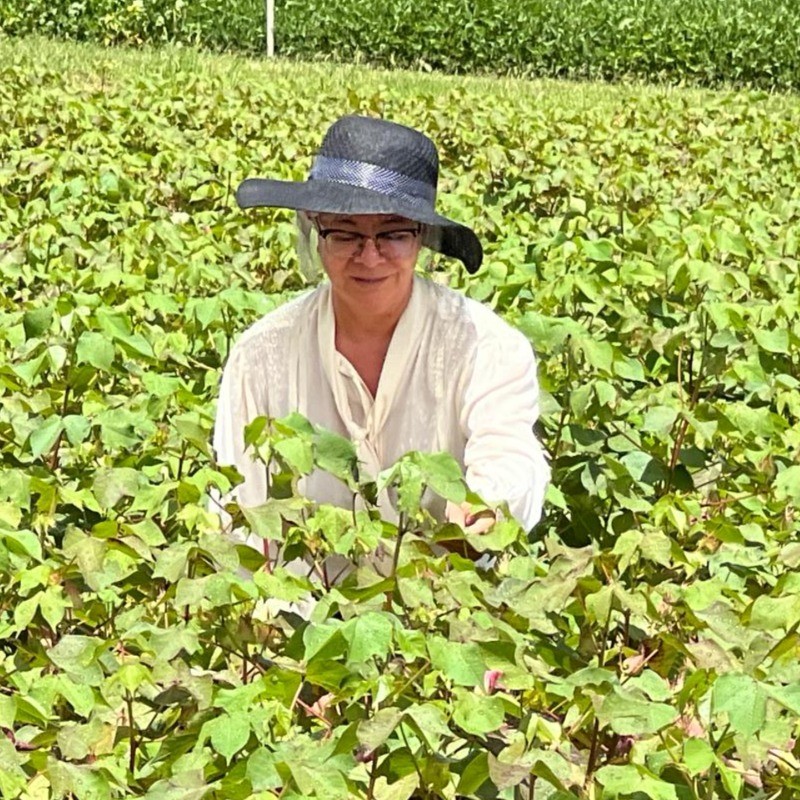
Special article by Professor Eliete Fagundes for the PEC Blog.
For this special feature, we invited Professor Eliete Fagundes , a researcher with over 35 years of experience in the study of homeopathy. She shares important reflections on the challenges and possibilities of this technology in modern dairy systems, where productivity, animal welfare, and sustainability go hand in hand.
The aim of this article is to open up space for qualified debate, with impartiality, transparency and a focus on the technical understanding of the subject.
A theme that always comes back.
Homeopathy has been studied in various contexts within Brazilian agriculture. Research conducted at universities and public institutions has investigated its effects on agroecology, animal behavior, and sanitary management. Despite advances in knowledge, its adoption in dairy farming remains limited.
This perception is not based on direct statistics, but on a consistent body of indirect evidence. Homeopathy does not appear in the main surveys on technologies most used by the dairy sector, nor does it figure among the central protocols of rural extension, animal health or welfare. It is also not part of the requirements for milk quality certifications and, in practice, is reported by consultants, cooperatives and research institutions as an approach present in a punctual way, more common in specific niches.
Why is adoption limited?
Below, we present hypotheses raised by Professor Eliete and supplemented by relevant technical concepts. These reflections do not represent scientific consensus, but they help to structure the debate.
Standardization and scalability
The effectiveness of a homeopathic product depends on rigorous manufacturing processes. However, variability still exists between manufacturers, differing interpretations of protocols, and limited availability of large-scale industrial processes. In complex production systems like dairy farming, small variations can generate distinct responses. This hinders predictability, reduces the confidence of technicians, and impedes the large-scale advancement of technology.
Formulations that do not reflect the full complexity of the system.
According to Professor Eliete, one of the challenges lies in understanding the herd in an integrated way. Health, behavior, environment, and individual predispositions are dimensions that mutually influence each other. Some formulations currently available do not fully capture this complexity, especially when it comes to stress responses, behavioral variations, genetic and epigenetic influences, or the quality of the interaction between caregivers and animals.
This interpretation aligns with the principles of animal welfare, which understand behavior as a direct expression of the environment and the basic emotions of animals. When a formulation does not engage with this view, the perceived impact tends to be less.
How to integrate homeopathy into management
Even among technicians who demonstrate an interest in sustainable practices, there are still doubts about how to integrate homeopathy into the daily routine of the farm. There is a lack of clarity on when to use it, how to monitor responses, how to combine it with existing sanitary protocols, and how to interpret variations between animals. Without validated and accessible protocols, its use is concentrated in specific groups that are already familiar with the method.
Scientific validation at scale
Much of the research involving homeopathy takes place in controlled environments, with small groups and specific conditions. To be included in extension programs or broader recommendations, it would be necessary to validate results in different regions, production systems, genetic groups, and levels of sanitary challenge. Without this diverse body of evidence, the technology struggles to gain traction in conventional management.
The issue of antibiotic use
This is a central point in the current debate. The dairy sector is under increasing global pressure to reduce antibiotic use and avoid risks associated with antimicrobial resistance, residues in milk, and impacts on public health. This trend has stimulated the search for more preventive strategies and complementary tools that help reduce curative interventions.
In this context, homeopathy appears as a low-risk alternative in terms of residues and aligned with more preventive management practices. Interest exists, but adoption would only expand with more standardization, consistent scientific evidence, and protocols adapted to the reality of diverse systems.
Animal health, behavior and well-being
One of the most relevant contributions of the research mentioned by Professor Eliete is the integrative view of herd health. This approach considers factors such as stress, social stability, behavior, adaptation to the environment, and the human-animal relationship. These elements are at the heart of modern animal welfare science.
Technologies that help reduce reactivity and stress, even in a complementary way, have the potential to influence immunity, emotional stability, and productive performance. Much research remains to be done, but the dialogue between homeopathy, behavior, and well-being opens an important field for future discussions.
Why bring this topic to the PEC Blog?
Dairy farming is undergoing a transformation. Producers, technicians, and institutions are seeking more integrated answers regarding health, sustainability, and well-being. Discussing transparently what works, what doesn't work, and what still needs to be investigated is essential.
Creating space for complex topics is part of ESGpec's mission: to promote qualified knowledge, based on science and sensitive to the different realities of production.
An invitation to debate
Homeopathy is a topic that sparks diverse opinions, but it deserves to be analyzed with seriousness and openness. Professor Eliete's reflections help to illuminate points that are rarely discussed, reinforcing the need for continuous research, technical validation, and dialogue between producers, specialists, and institutions.
By bringing this content to the PEC Blog, we reinforce our commitment to an honest, contextualized debate aligned with the transformations in Brazilian livestock farming.


